
Search Website
Land Acknowledgement
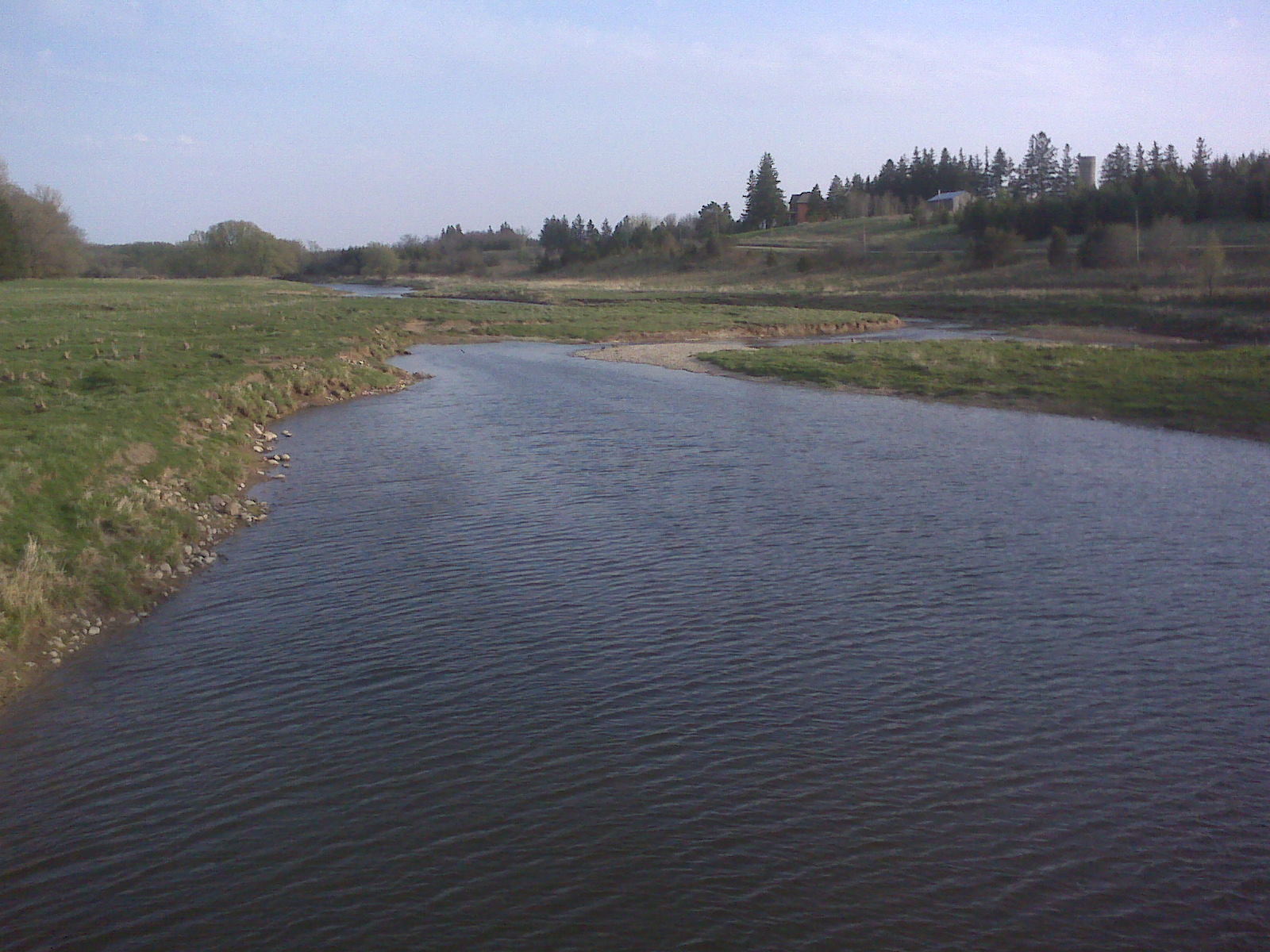
Image: Deshkaan Ziibi (Thames River). Photograph by Mike McGregor (Can) - Own work, CC BY-SA 2.0
This work has been undertaken by the Western University community which is located on the traditional lands of the Anishinaabek, Haudenosaunee and Lūnaapéewak, on lands connected with the Dish with One Spoon Covenant Wampum between the Anishinaabeg and Haudenosaunee and the London Township and Sombra Treaties of 1796.
We affirm our respect for the longstanding relationships that Indigenous Nations have to this land as they are its original and ongoing caretakers. We also acknowledge historical and ongoing injustices that Indigenous Peoples (First Nations, Métis, and Inuit) endure in Canada, and we accept responsibility as members of a public institution to contribute toward revealing and correcting miseducation as well as renewing respectful relationships with Indigenous communities through our teaching, research and community service.
Acknowledging the lands to which we are connected also means acknowledging the ways that colonial systems continue to shape higher education institutions and classrooms. One of the ways that these systems persist is through teaching and learning practices that often privilege particular ways of knowing, being, communicating, and demonstrating learning. For many of us, teaching and learning can be engaged as a practice of justice, by valuing learner identities, values, goals, and access needs, and by welcoming diversity of expression, learner agency, and student creativity.
As you engage with the Accessible Teaching Toolkit, we invite you to reflect on how our teaching practices might contribute to our responsibilities towards Truth and Reconciliation that resists one-size-fits-all measurements and instead centres relationships, respect, and the multiplicity of knowledges educators and learners bring to our shared spaces. At Western University, we are also guided in this work by the EDIDA Strategic Plan.
Please join us in considering our responsibilities to the land and to Indigenous peoples around the world, as we work together towards an education system and world that supports mutual flourishing for all.
For more information about the work of Indigenization and decolonization at Western University, please visit the website of the Office of Indigenous Initiatives.