

Search Website
Collaborators
The collaborators on the Accessible Teaching Toolkit project at Western University have worked together to iterate and refine these public-facing resources from across different disciplines, professional expertise, lived experiences, and identities. Some of the contributions made by team members on this project include the following:
- Reviewing and discussing the accessibility recommendations from the Ontario government
- Sharing experiences and expertise on access, accessibility, and accommodation in higher education from our lived and professional experiences
- Framing the values, goals, and approaches that are highlighted in this Toolkit
- Drafting, reviewing, and revising all aspects of the Toolkit resources, including the support documentation, glossary, and individual practices webpages
Collaborators Profiles
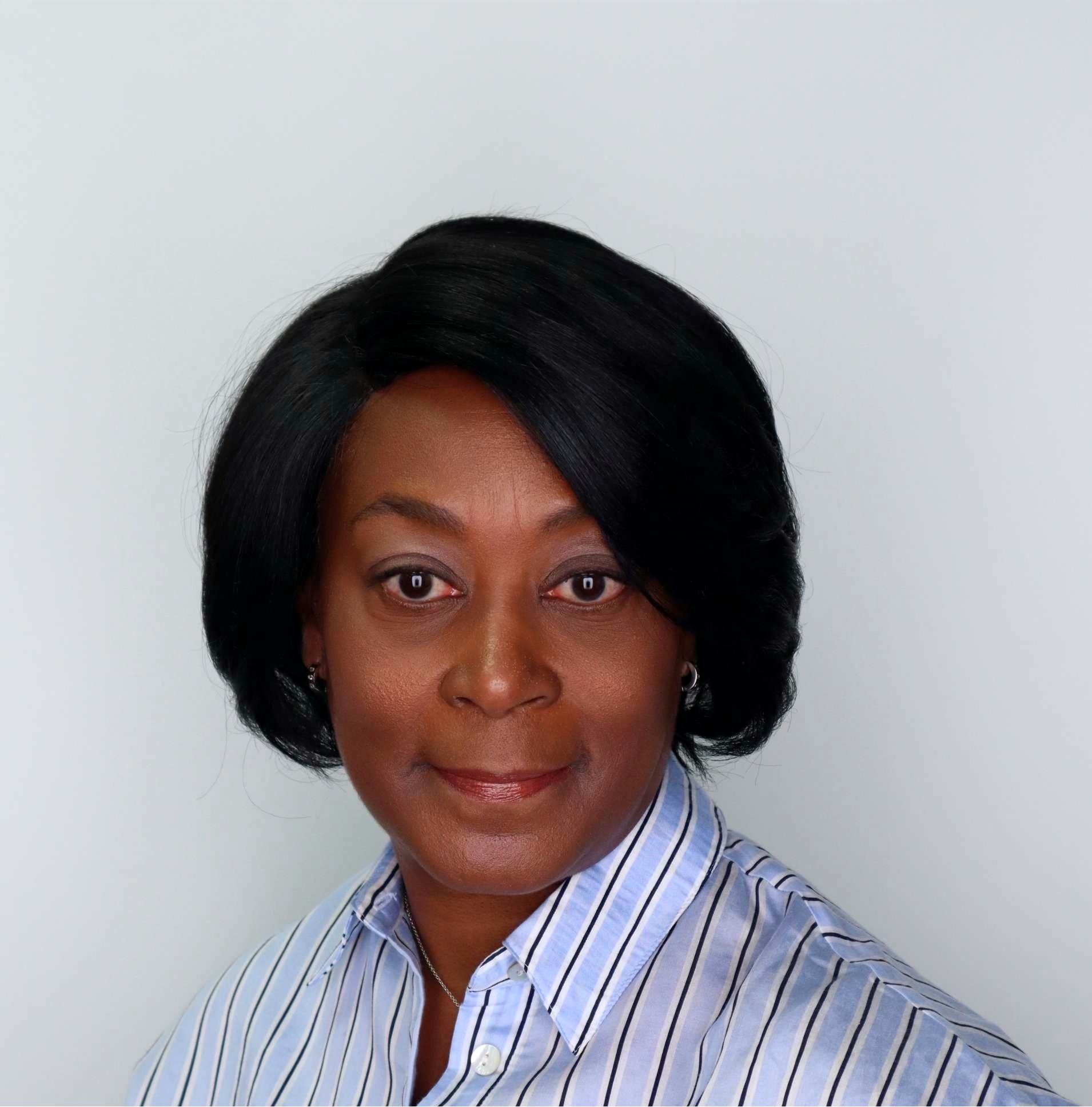
Michele Anderson
I was raised by parents deeply committed to advancing access and equity for underrepresented and diaspora communities across Canada, an influence that shaped both my values and my career path. I intentionally pursued work focused on supporting growth and development through communication health, leading me to become a Speech-Language Pathologist. I now serve as Associate Director, Academic Support and Engagement, where I lead institution-wide initiatives that advance accessible, student-centered learning and drive systemic change in academic support. I have also served as Chair of the Inter-University Disability Interest Association of Ontario [IDIA] and contribute to strategic initiatives and academic accommodation policy aligned with human rights frameworks and sector best practices. My work is grounded in clinical experience supporting individuals with diverse disabilities- such as aphasia, brain injury, and autism- who share a common goal of meaningful participation in all aspects of everyday life. I believe meaningful accessibility work grows from strong relationships and a collective commitment to creating environments where all individuals feel valued and supported. Across my roles, I am committed to advancing approaches to accessibility that are not only effective and sustainable, but also grounded in care, connection, and a deep sense of community. My vision is to help shape educational systems where accessibility is fully embedded in design and culture, enabling every learner to participate, contribute, and thrive.
I was raised by parents deeply committed to advancing access and equity for underrepresented and diaspora communities across Canada, an influence that shaped both my values and my career path. I intentionally pursued work focused on supporting growth and development through communication health, leading me to become a Speech-Language Pathologist. I now serve as Associate Director, Academic Support and Engagement, where I lead institution-wide initiatives that advance accessible, student-centered learning and drive systemic change in academic support. I have also served as Chair of the Inter-University Disability Interest Association of Ontario [IDIA] and contribute to strategic initiatives and academic accommodation policy aligned with human rights frameworks and sector best practices. My work is grounded in clinical experience supporting individuals with diverse disabilities- such as aphasia, brain injury, and autism- who share a common goal of meaningful participation in all aspects of everyday life. I believe meaningful accessibility work grows from strong relationships and a collective commitment to creating environments where all individuals feel valued and supported. Across my roles, I am committed to advancing approaches to accessibility that are not only effective and sustainable, but also grounded in care, connection, and a deep sense of community. My vision is to help shape educational systems where accessibility is fully embedded in design and culture, enabling every learner to participate, contribute, and thrive.
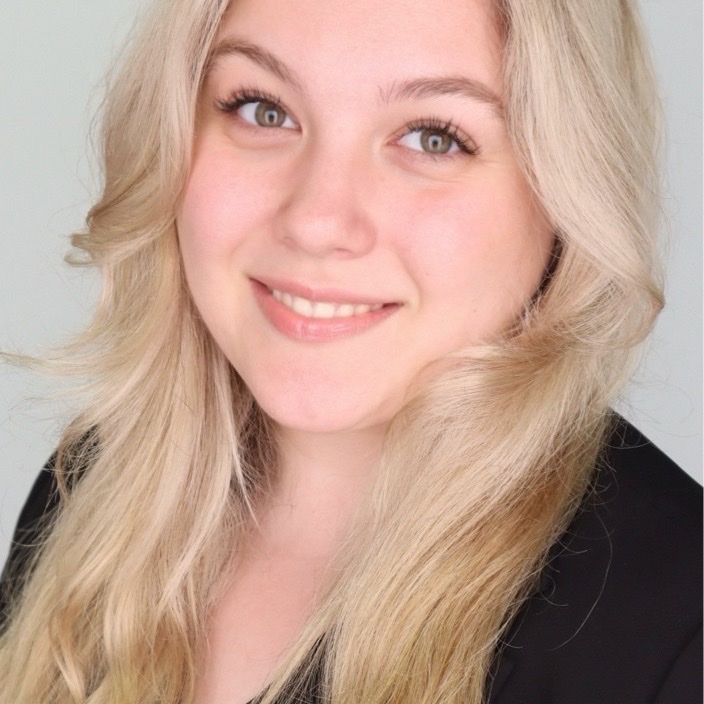
Emily Branov
Emily is Western’s Project Manager for Accessibility, where she coordinates a cross-campus portfolio of projects focused on identifying and addressing systemic barriers across university life. Her work supports Western’s preparation for anticipated accessibility requirements while helping translate legislation, research, consultation, and lived expertise into practical institutional change. With an academic background in sociology and social policy, Emily is particularly interested in how policies, institutional structures, and everyday practices interact to create or remove barriers. She approaches accessibility as a shared and ongoing responsibility, not simply a matter of compliance, and values collaborative work that brings together disabled people, educators, staff, and subject-matter experts. She is committed to developing practical tools, processes, and policies that make equitable participation more consistently possible across the university.
Emily is Western’s Project Manager for Accessibility, where she coordinates a cross-campus portfolio of projects focused on identifying and addressing systemic barriers across university life. Her work supports Western’s preparation for anticipated accessibility requirements while helping translate legislation, research, consultation, and lived expertise into practical institutional change. With an academic background in sociology and social policy, Emily is particularly interested in how policies, institutional structures, and everyday practices interact to create or remove barriers. She approaches accessibility as a shared and ongoing responsibility, not simply a matter of compliance, and values collaborative work that brings together disabled people, educators, staff, and subject-matter experts. She is committed to developing practical tools, processes, and policies that make equitable participation more consistently possible across the university.

Laurel Catton
Laurel helps students navigate systems and access disability accommodations. Accessibility is a shared responsibility, and Laurel is committed to doing her part to help create more inclusive and supportive environments.
Laurel helps students navigate systems and access disability accommodations. Accessibility is a shared responsibility, and Laurel is committed to doing her part to help create more inclusive and supportive environments.
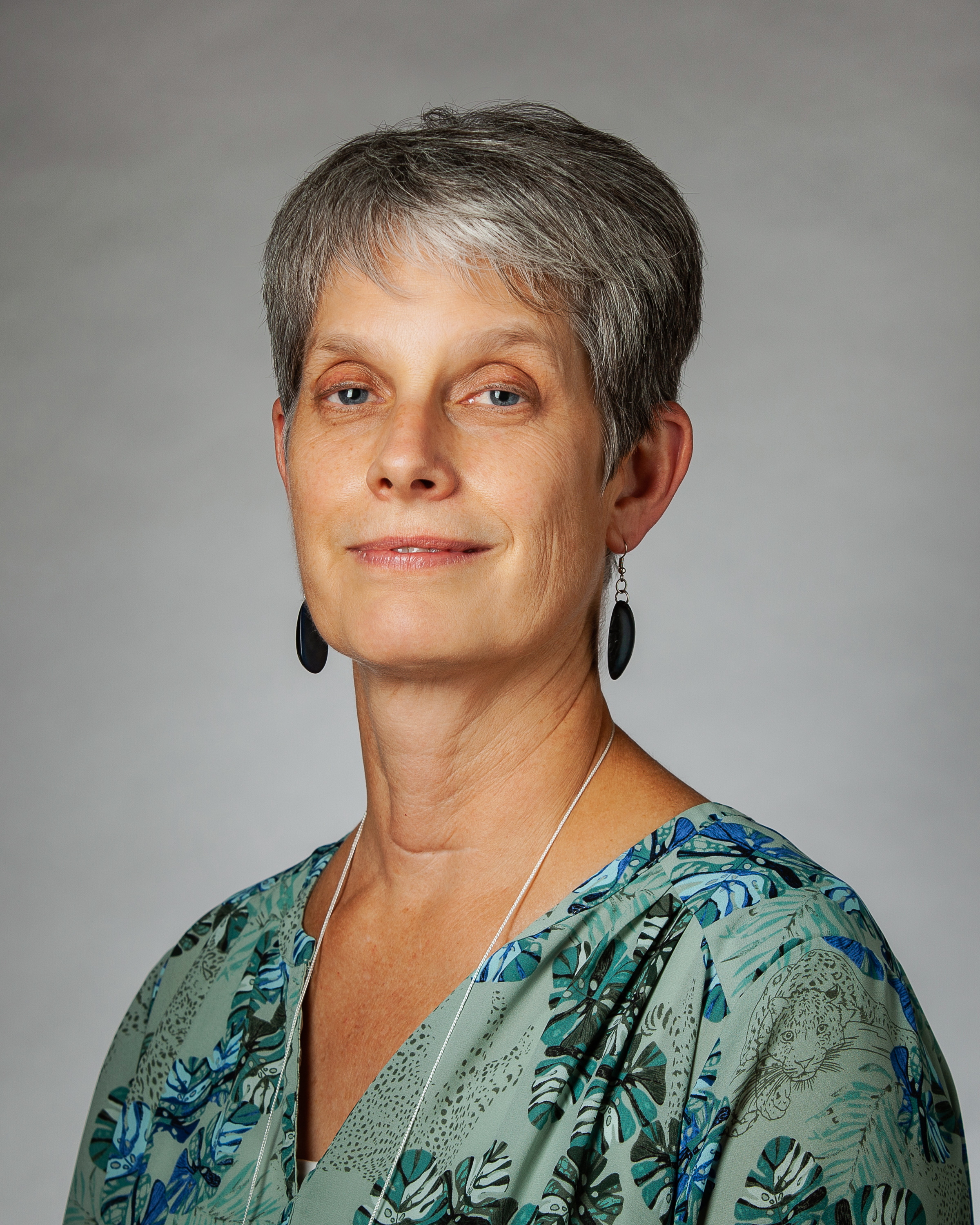
Kim Clark
After years of teaching, my understanding of the challenges facing students who cannot always attend class or struggle with the structural constraints of educational contexts was deepened by watching young people close to me navigate the school environment. I learned from them, for instance, that a student who cannot attend class may have a strong desire to be there but the way it is offered does not make that possible. As we moved "back to normal" in the aftermath of the COVID-19 pandemic, I worked with a research team to gather the experiences of students with disabilities at Western, and to hear their perspectives on teaching practices that enhanced or inhibited accessibility for them. I am grateful to have had the opportunity to apply what I learned from them in my own teaching as a professor in the Anthropology Department and through my work as Assistant Dean for Equity, Diversity, Inclusion, Decolonization and Accessibility in the Faculty of Social Science.
After years of teaching, my understanding of the challenges facing students who cannot always attend class or struggle with the structural constraints of educational contexts was deepened by watching young people close to me navigate the school environment. I learned from them, for instance, that a student who cannot attend class may have a strong desire to be there but the way it is offered does not make that possible. As we moved "back to normal" in the aftermath of the COVID-19 pandemic, I worked with a research team to gather the experiences of students with disabilities at Western, and to hear their perspectives on teaching practices that enhanced or inhibited accessibility for them. I am grateful to have had the opportunity to apply what I learned from them in my own teaching as a professor in the Anthropology Department and through my work as Assistant Dean for Equity, Diversity, Inclusion, Decolonization and Accessibility in the Faculty of Social Science.
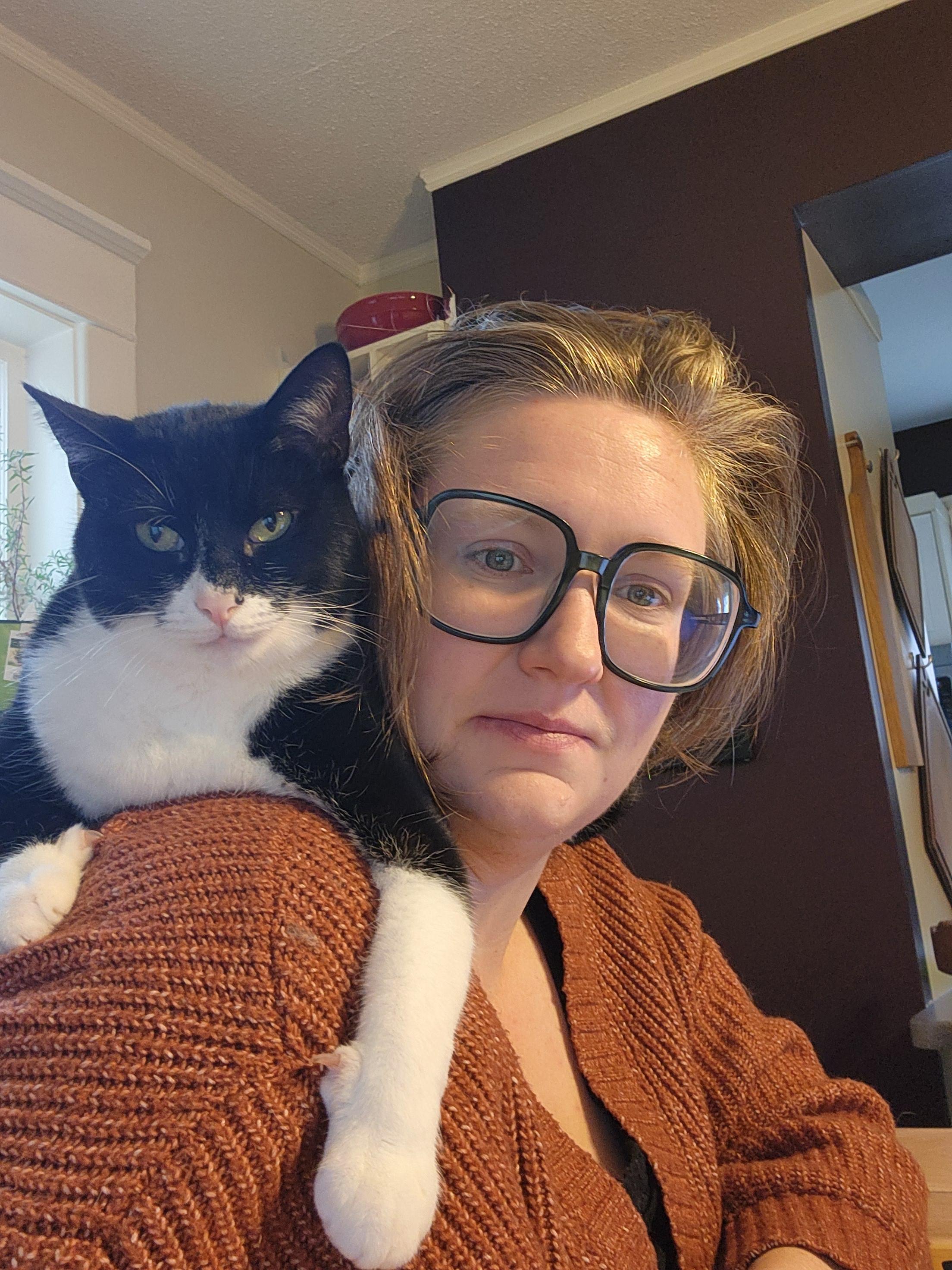
Dani Dilkes
Dani is a neurodivergent and queer educational developer and interdisciplinary scholar working to make higher education more accessible, inclusive, and just. Her approach to this work draws on design justice and a feminist ethic of care, understanding access as a collective responsibility. She believes exclusion to be the result of social, material, and technological designs that establish and sustain social norms, and thinks that through deliberate redesign of educational spaces and practices, higher education can be more inclusive. She approaches her work from the lens that systemic change can occur through small-scale mindset and practice shifts….
Dani is a neurodivergent and queer educational developer and interdisciplinary scholar working to make higher education more accessible, inclusive, and just. Her approach to this work draws on design justice and a feminist ethic of care, understanding access as a collective responsibility. She believes exclusion to be the result of social, material, and technological designs that establish and sustain social norms, and thinks that through deliberate redesign of educational spaces and practices, higher education can be more inclusive. She approaches her work from the lens that systemic change can occur through small-scale mindset and practice shifts….
Deanna Grogan
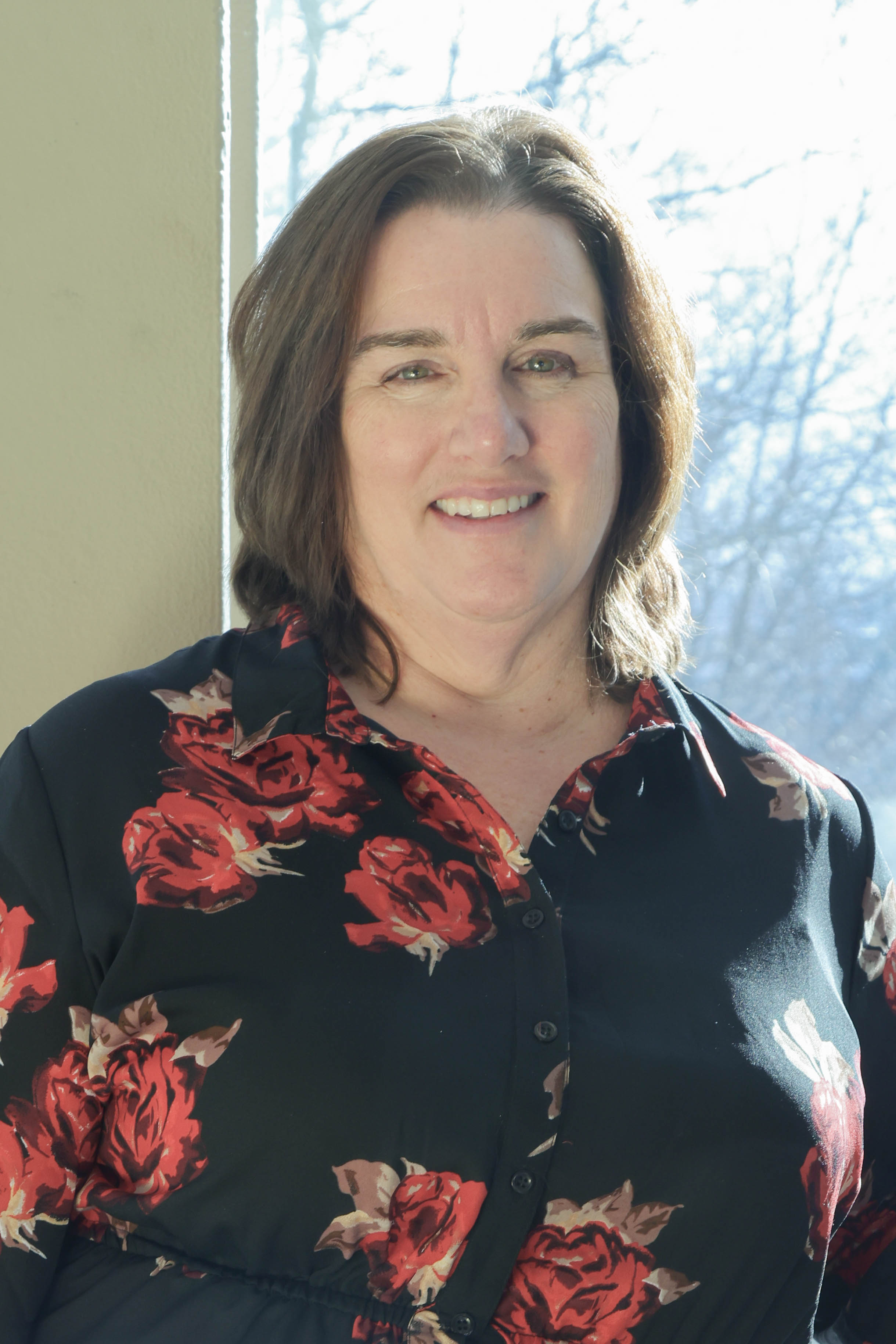
As the eLearning Technology Manager, my work focuses on creating inclusive, barrier-free digital learning environments. My role spans selecting accessible educational technologies, guiding the creation of accessible course materials, and working directly with instructors to implement meaningful student accommodations. I am committed to Universal Design for Learning (UDL), viewing it not merely as a compliance checklist, but as a fundamental mindset for designing flexible, engaging, and equitable learning experiences from the start. Positioned as an ally without a personal disability, I recognize that my lived experience comes with privilege, making it essential to listen to, learn from, and centre disabled voices in this work. I see my role as leveraging technical and pedagogical systems to lower barriers, normalize access, and help integrate UDL into the everyday practices of our teaching and learning community."
As the eLearning Technology Manager, my work focuses on creating inclusive, barrier-free digital learning environments. My role spans selecting accessible educational technologies, guiding the creation of accessible course materials, and working directly with instructors to implement meaningful student accommodations. I am committed to Universal Design for Learning (UDL), viewing it not merely as a compliance checklist, but as a fundamental mindset for designing flexible, engaging, and equitable learning experiences from the start. Positioned as an ally without a personal disability, I recognize that my lived experience comes with privilege, making it essential to listen to, learn from, and centre disabled voices in this work. I see my role as leveraging technical and pedagogical systems to lower barriers, normalize access, and help integrate UDL into the everyday practices of our teaching and learning community."
Cortney Hanna-Benson
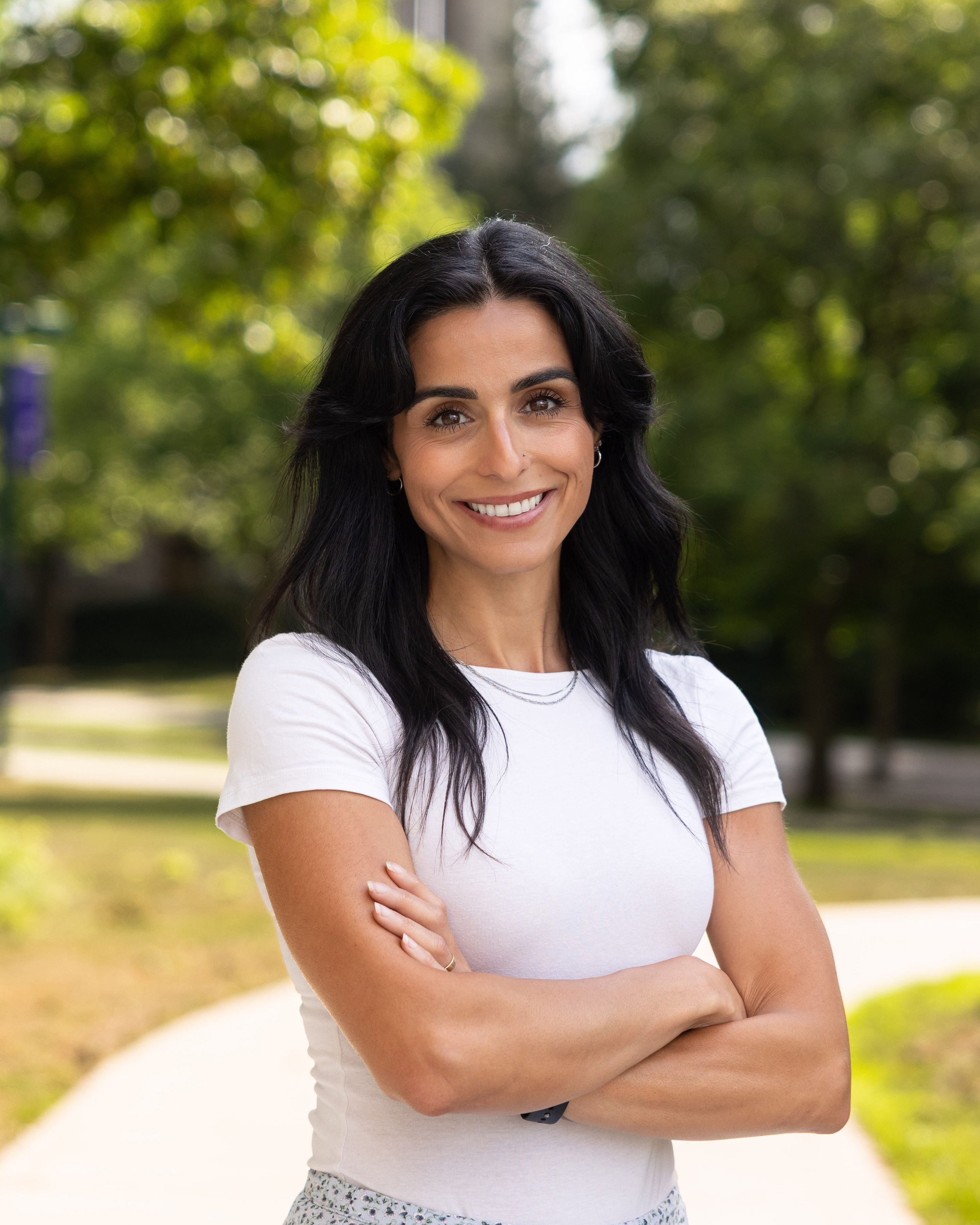
Cortney Hanna-Benson is Associate Director, Digital Learning at Western University's Centre for Teaching and Learning. Her interest in accessibility grew through working on digital learning design teams alongside disabled colleagues, where accessibility was a regular part of conversations about how systems, tools, and learning environments function for different people. While she does not speak from lived experience of disability, Cortney is committed to applying what she has learned throughout her career in higher education and the private sector. She strives to embed accessibility into her own practice and supports faculty in making their courses more accessible. Her approach focuses on practical, incremental changes that can be implemented right away and, over time, contribute to more inclusive learning experiences. What she values most about accessibility work is its ability to encourage reflection on assumptions and to challenge what is often treated as the default.
Cortney Hanna-Benson is Associate Director, Digital Learning at Western University's Centre for Teaching and Learning. Her interest in accessibility grew through working on digital learning design teams alongside disabled colleagues, where accessibility was a regular part of conversations about how systems, tools, and learning environments function for different people. While she does not speak from lived experience of disability, Cortney is committed to applying what she has learned throughout her career in higher education and the private sector. She strives to embed accessibility into her own practice and supports faculty in making their courses more accessible. Her approach focuses on practical, incremental changes that can be implemented right away and, over time, contribute to more inclusive learning experiences. What she values most about accessibility work is its ability to encourage reflection on assumptions and to challenge what is often treated as the default.
Dr. Erika Katzman, PhD
Erika Katzman is a neurodivergent occupational therapist and Associate Professor of Disability Studies at King's University College (Western University). Theoretical grounding in critical disability studies (CDS) and lived experience navigating structural ableism inform Erika's teaching and research praxis, both of which aim to create accessible spaces by centering disabled knowledge. Erika's work is guided by a disability justice framework and recognition of the everyday “work” disabled people perform to survive life in inaccessible spaces and in pursuit of rights and justice.
Erika Katzman is a neurodivergent occupational therapist and Associate Professor of Disability Studies at King's University College (Western University). Theoretical grounding in critical disability studies (CDS) and lived experience navigating structural ableism inform Erika's teaching and research praxis, both of which aim to create accessible spaces by centering disabled knowledge. Erika's work is guided by a disability justice framework and recognition of the everyday “work” disabled people perform to survive life in inaccessible spaces and in pursuit of rights and justice.

Victoria Kerr
I am an Educational Developer with the Centre for Teaching and Learning at Western University. Having experienced higher education as a student, researcher, and faculty member, I have developed an interest in examining the many ways institutions perpetuate inaccessibility through both visible and invisible structures and practices. My work is driven by a commitment to advancing accessibility in higher education, and I hope to contribute to ongoing, incremental changes that foster more inclusive experiences for all learners and educators.
I am an Educational Developer with the Centre for Teaching and Learning at Western University. Having experienced higher education as a student, researcher, and faculty member, I have developed an interest in examining the many ways institutions perpetuate inaccessibility through both visible and invisible structures and practices. My work is driven by a commitment to advancing accessibility in higher education, and I hope to contribute to ongoing, incremental changes that foster more inclusive experiences for all learners and educators.
Ron Leblanc
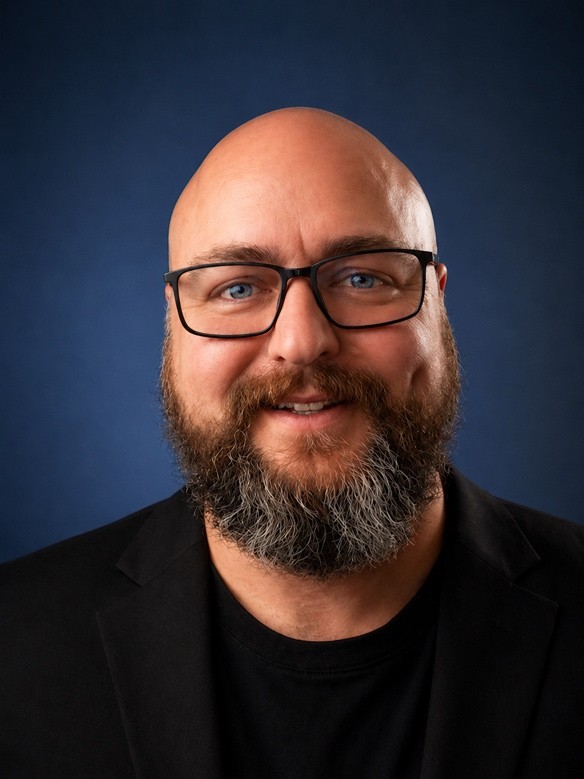
Ron Leblanc is an Assistive Technologist with Accessible Education at Western University, where he works with students to identify, evaluate, and implement assistive technology that supports equitable participation in higher education. Based in the Accessible Learning Lab at Weldon Library, he provides training, consultations, and guidance on a wide range of accessibility solutions while helping students overcome barriers to learning. His work focuses on promoting independence, fostering inclusive educational practices, and exploring innovative approaches to accessibility through technology.
Ron Leblanc is an Assistive Technologist with Accessible Education at Western University, where he works with students to identify, evaluate, and implement assistive technology that supports equitable participation in higher education. Based in the Accessible Learning Lab at Weldon Library, he provides training, consultations, and guidance on a wide range of accessibility solutions while helping students overcome barriers to learning. His work focuses on promoting independence, fostering inclusive educational practices, and exploring innovative approaches to accessibility through technology.
Elizabeth Mohler
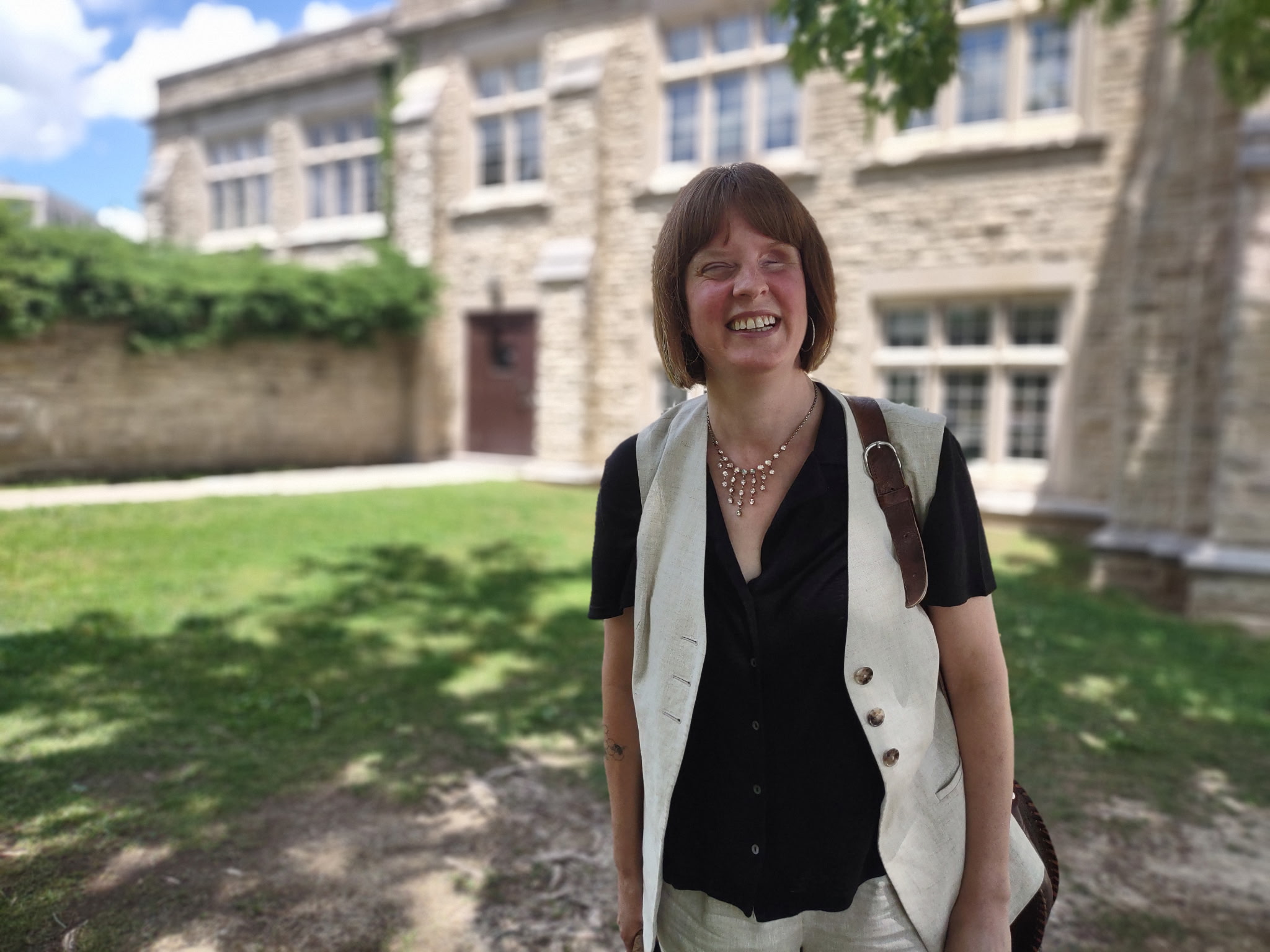
Elizabeth Mohler, PhD is a Project Assistant supporting accessibility initiatives at Western University. She recently completed her PhD in Health and Rehabilitation Sciences at Western, where her research used critical discourse analysis to examine how Ontario's Direct Funding Program constructs disability, autonomy, care, and citizenship through policy. Elizabeth's broader work focuses on accessibility, disability policy, and creating more inclusive learning and work environments. Drawing on both academic research and lived experience as a blind scholar, she is committed to advancing practical approaches to accessibility that support equitable participation across the university.
Elizabeth Mohler, PhD is a Project Assistant supporting accessibility initiatives at Western University. She recently completed her PhD in Health and Rehabilitation Sciences at Western, where her research used critical discourse analysis to examine how Ontario's Direct Funding Program constructs disability, autonomy, care, and citizenship through policy. Elizabeth's broader work focuses on accessibility, disability policy, and creating more inclusive learning and work environments. Drawing on both academic research and lived experience as a blind scholar, she is committed to advancing practical approaches to accessibility that support equitable participation across the university.
Mandy Penney
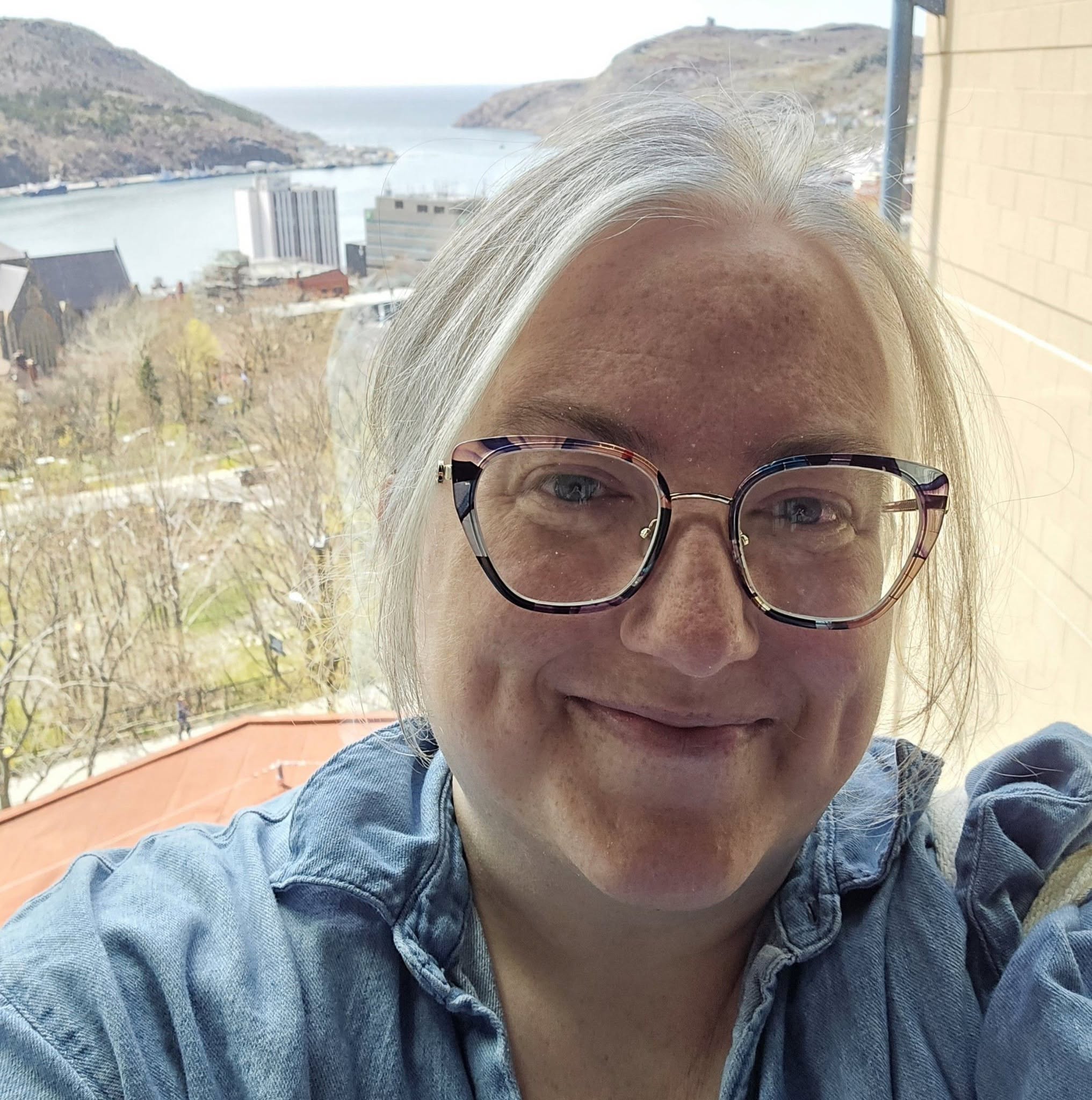
Mandy (she / her) is a white, queer, and disabled settler of primarily Irish descent and is originally from the Atlantic Ocean island of Ktaqmkuk, the Mi’kmaw name for the island of Newfoundland. Her teaching praxis is intertwined with a personal and social commitment to community building, critical self-reflection, and the pursuit of justice, recognizing that meaningful and equitable education work extends beyond the artificial boundaries of higher education classrooms. She believes strongly that teaching and learning are deeply relational and that who we are as whole humans – including our identities, lived experiences, and value systems – ultimately shapes how we teach and learn. Throughout her career, she has held roles across faculty and staff positions as a professor, writing and communication specialist, writing centre coordinator, and educational developer. Across her roles and institutional affiliations, she has been fortunate to collaborate with and learn from/with generous and brilliant colleagues who are deeply committed to imagining more just futures in post-secondary institutions. As the Associate Director of Teaching Development at Western University, she works with graduate and faculty educators to explore and model accessible, caring, and equitable teaching and learning spaces. She is especially passionate about the work of disability justice, sustainable and meaningful writing instruction, linguistic justice, Communities of Practice and Care (CoPC), and graduate educator mentorship and development.
Mandy (she / her) is a white, queer, and disabled settler of primarily Irish descent and is originally from the Atlantic Ocean island of Ktaqmkuk, the Mi’kmaw name for the island of Newfoundland. Her teaching praxis is intertwined with a personal and social commitment to community building, critical self-reflection, and the pursuit of justice, recognizing that meaningful and equitable education work extends beyond the artificial boundaries of higher education classrooms. She believes strongly that teaching and learning are deeply relational and that who we are as whole humans – including our identities, lived experiences, and value systems – ultimately shapes how we teach and learn. Throughout her career, she has held roles across faculty and staff positions as a professor, writing and communication specialist, writing centre coordinator, and educational developer. Across her roles and institutional affiliations, she has been fortunate to collaborate with and learn from/with generous and brilliant colleagues who are deeply committed to imagining more just futures in post-secondary institutions. As the Associate Director of Teaching Development at Western University, she works with graduate and faculty educators to explore and model accessible, caring, and equitable teaching and learning spaces. She is especially passionate about the work of disability justice, sustainable and meaningful writing instruction, linguistic justice, Communities of Practice and Care (CoPC), and graduate educator mentorship and development.
Dr. Julie Prior Salman
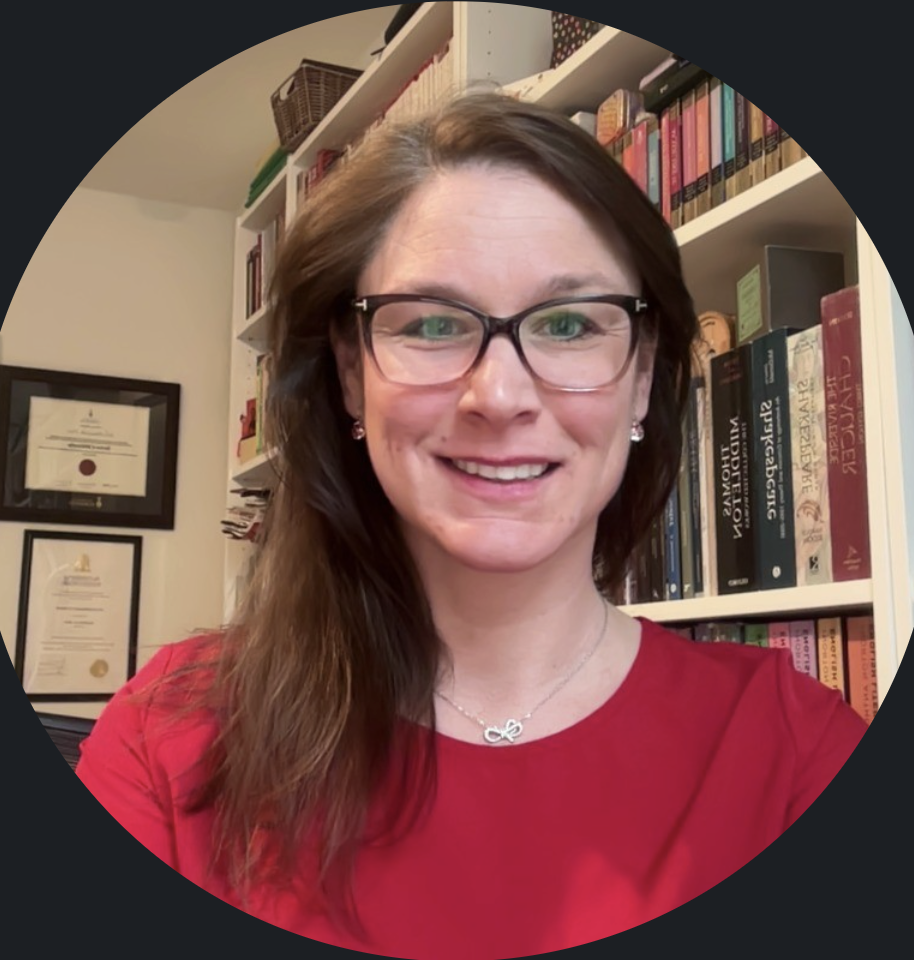
Julie is an educator and researcher with more than 15 years of experience in higher education, communications, and inclusive teaching. She holds a PhD in English from the University of Toronto and has served in full-time faculty, tenure-track, and instructor roles at postsecondary institutions in Canada and the United States, including Dallas College, Western University, King's University College, and the University of Toronto. Her teaching spans writing, rhetoric, literature, and research, with an emphasis on accessible course design and Universal Design for Learning (UDL). As an Equity, Diversity, Inclusion, and Decolonization (EDID) in Research Specialist at Western University, Julie collaborated with faculty, researchers, and university staff to advance accessible and inclusive research practices. She contributed to the development of the Accessibility in Research Toolkit and led workshops on accessibility, equity, diversity, and inclusion in research. Across her academic career, she has also designed and facilitated professional development on accessible and inclusive teaching, helping educators implement evidence-informed strategies that foster equitable learning environments.
Julie is an educator and researcher with more than 15 years of experience in higher education, communications, and inclusive teaching. She holds a PhD in English from the University of Toronto and has served in full-time faculty, tenure-track, and instructor roles at postsecondary institutions in Canada and the United States, including Dallas College, Western University, King's University College, and the University of Toronto. Her teaching spans writing, rhetoric, literature, and research, with an emphasis on accessible course design and Universal Design for Learning (UDL). As an Equity, Diversity, Inclusion, and Decolonization (EDID) in Research Specialist at Western University, Julie collaborated with faculty, researchers, and university staff to advance accessible and inclusive research practices. She contributed to the development of the Accessibility in Research Toolkit and led workshops on accessibility, equity, diversity, and inclusion in research. Across her academic career, she has also designed and facilitated professional development on accessible and inclusive teaching, helping educators implement evidence-informed strategies that foster equitable learning environments.

Dan Sich
Dan Sich (Sič) (he/him) is an AuDHD, white, male, settler of Slovak and Mennonite heritage. As a Teaching and Learning Librarian in Western Libraries, he strives to provide engaging, accessible, inclusive, equitable, online and in-person teaching and learning experiences. He is a member of several accessibility-related committees at Western University and beyond, and helped to compose Western Libraries knowledge justice-informed curriculum.
Dan Sich (Sič) (he/him) is an AuDHD, white, male, settler of Slovak and Mennonite heritage. As a Teaching and Learning Librarian in Western Libraries, he strives to provide engaging, accessible, inclusive, equitable, online and in-person teaching and learning experiences. He is a member of several accessibility-related committees at Western University and beyond, and helped to compose Western Libraries knowledge justice-informed curriculum.